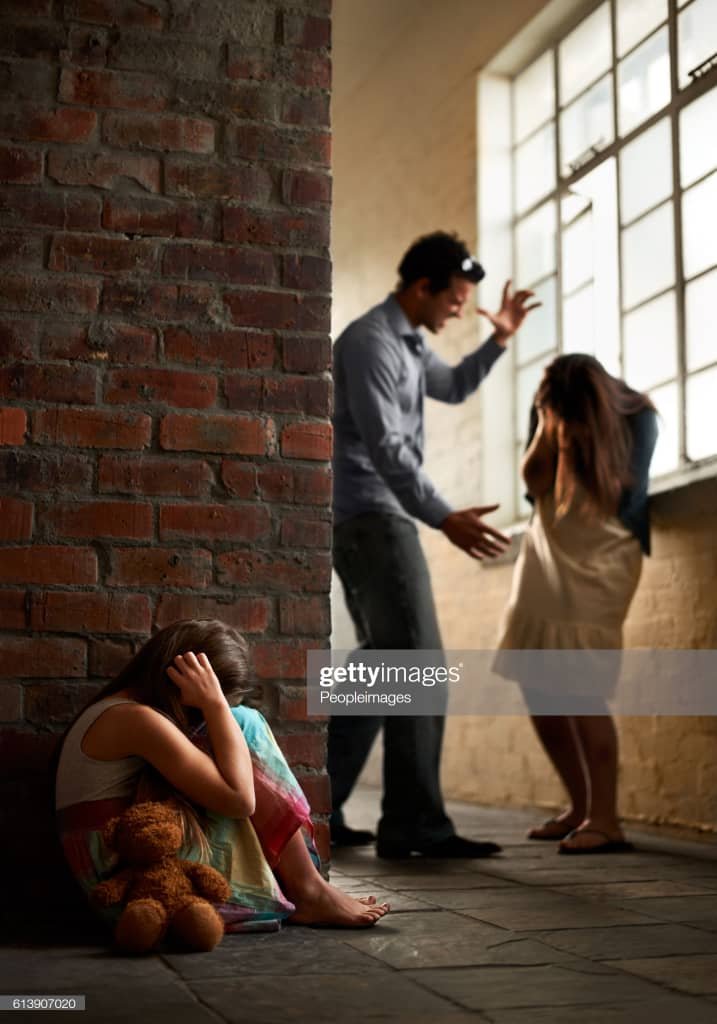
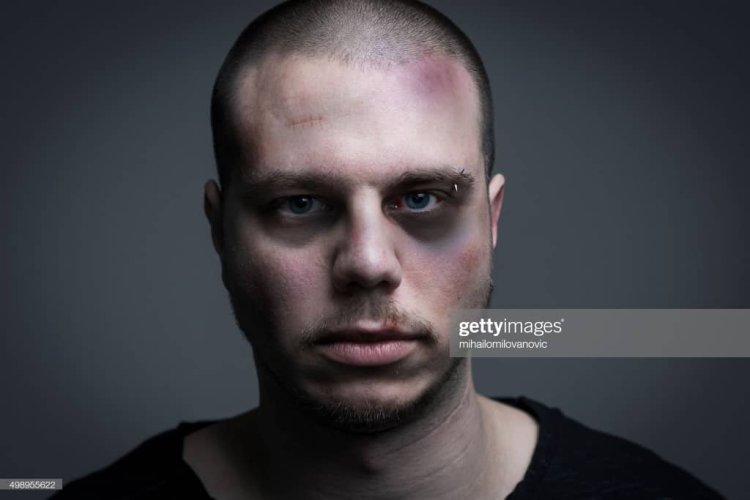
 This topic is one of the most common topic we know and it is by virtue of the fact we know the word called “abuse”, however we don’t know how deep it is. One funny thing I have come to realise is we abuse each other daily without knowing and by “abuse” I don’t mean you are mad or you are stupid that we say in secondary schools ooo😂😂😂😂 Statistics shows that nearly 20 people per minute are physically abused, 46.7% of females and 44.9% of males have been raped by an acquaintance. Looking at child abuse, 1 in 15 children are exposed to intimate partner violence each year and 90% of these children are eyewitnesses to this violence. Also 1 in 3 women and 1 in 4 women have have experienced severe intimate partner physical violence. These are statistics gotten from NATIONAL COALITION AGAINST DOMESTIC VIOLENCE. However, I want us to know that abuse is far more than rape, domestic violence, physical violence. FAR MORE!!!!! Therefore as God will be helping me, I will be taking my time to talk on the aspects of abuse and I hope even if I miss anything or I omitted anything, I hope to see you in the comment section😁😁😁😁😁 in order for us to flow we will this critical topic, I have decided to group it into sub- topics, which are:1) Meaning of Abuse
2) Types of Abuse
3) Who can be Abused?
4) Who may be an Abuser?
5) Where Abuse can take place?
6) Effect of Abuse
7) What are you doing as a Nigerian to stop child Abuse against Children?
8) What can we do to stop abuse of adults?MEANING OF ABUSEThe word abuse has different meanings, however I was able to name a few and hope it will aid better understanding. What then is ABUSE?Abuse can be defined as a form of a single act that has abusive consequences for the adult or child as the case maybe or may comprise a series of acts, either large or small, whose cumulative impact adversely affects the individual involved.Also, it is important to note that sometimes the abusive act was willful on the part of the perpetrator but sometimes it may be unintentional. Causing harm may be unintentional but nevertheless harm was caused and therefore abuse has taken place, requiring a response under The ‘Safeguarding Process Section’. The nature of the response is likely to depend on whether the act was intentional or not. This solely means that whether the abuse on a person was intentional or unintentional is secondary, it has never, does not and will never change the fact that it was an abuse!!!!!!!!!!!!!!!Abuse can also be defined as an act of neglect or a failure to act. Abuse may be caused as a result of a person with caring responsibilities acting in a way that is harmful to a dependent person. Failure to act so as to provide the level of care a reasonable person would be expected to provide, which results in harm to an adult experiencing or at risk or abuse or neglect.An adult may experience several types of abuse simultaneously.
The commonly held definition of abuse, which we all use is “a pattern of behavior used by one person to gain and maintain power and control over another.” One thing to note about that definition is that we are talking about a pattern of behavior, in other words, not just one incident. These behaviors can take on a number of different forms. Many people, when they hear the word “abuse” think of physical violence. It’s important to note that physical force is one means of power and control and it is far from the only one. It’s often not the first one an abuser will use, however if it gets to physical abuse, just note that the abuser has used different methods of abuse before and the abused didn’t take cognissance of it or simply neglected it.TYPES OF ABUSEAbuse can come in many forms and for purpose of this gathering I will be splitting them in many forms, so we can be able to cite them, once we see them. Types of abuse include:Physical Abuse: This is the easiest form of abuse to spot.It can range from physical injuries such as hitting, pushing, wounding etc. to things such as misuse of medication, inappropriate use of restraint and dehydration/malnourishment. This is the type of abuse that many people think of when they hear the word ‘abuse.’ It can include punching, hitting, slapping, kicking, strangling, or physically restraining a partner against their will. It can also include driving recklessly or invading someone’s physical space, and in any other way making someone feel physically unsafe.Abuse in form of Domestic Violence: According to Woman’s Aid, it defines domestic abuse as ‘physical, sexual, psychological or financial violence that takes place within an intimate or family-type relationship and forms a pattern of cohesive and controlling behaviour’. People should be aware that domestic violence is not always physical and also includes forced marriage and so-called ‘honour crimes’.Sexual Abuse: This includes sexual assault or sexual acts which have not been consented to. Also, encompasses rape and non-contact abuse such as sexual harassment, While sexual abuse can be a form of physical abuse, we put it in a category by itself because it can include both physical and non-physical components. It can involve rape or other forced sexual acts, or withholding or using sex as a weapon. An abusive partner might also use sex as a means to judge their partner and assign a value – in other words, criticizing or saying that someone isn’t good enough at sex, OR that sex is the only thing they’re good for. Because sex can be so loaded with emotional and cultural implications, there are any number of ways that the feelings around it can be uniquely used for power and control. Before 1993 that marital rape was legal,so some people may still assume that sex is something a partner is entitled to, and not recognize it as a larger pattern of power and control.Verbal/Emotional Abuse:
Someone who survived emotional abuse once said and I quote “My ex-husband used words like weapons; like shards of glass, cutting and slowly draining my life, until I had nearly none left. I didn’t think I was abused because he didn’t hit me- usually… I had begun to believe his awful lies- how worthless I was, how stupid, how ugly, and how no one would ever want me.”
Let nobody reduce you or tell you nonsense. KNOW YOUR WORTH!!!!!!!!
Some Other survivors have pointed out that while the signs of physical abuse might be noticeable to a friend or family member, the effects of verbal/emotional abuse are harder to spot, and harder to prove. Emotional scars can often take longer to heal.Mental/Psychological Abuse: Mental or psychological abuse happens when one partner, through a series of actions or words, wears away at the other’s sense of mental wellbeing and health. It often involves making the victim doubt their own sanity. We’ve heard stories of abusers deliberately moving car keys (and in one case, the whole car!) or a purse, dimming the lights, and flat-out denying that certain things had taken place. The result of this, especially over a sustained period of time – and often with the isolation that abusers also tend to use – is that the victim depends on the abuser more and more because they don’t trust their own judgment. They also hesitate to tell anyone about the abuse they’re experiencing, for fear they won’t be believed. While speaking to someone who had been abused, she had this to say, “He had called me crazy so many times, I was unsure if anyone would ever believe me about the abuse.”
It is important to note that both mental/psychological and verbal /emotional abuse are similar and is harder to spot as it is often done in private and has no physical signs
Financial or Material Abuse: This looks to take control over financial ownership such as wills, inheritance or property. Because abuse is about power and control, an abuser will use any means necessary to maintain that control, and often that includes finances. Whether it is controlling all of the budgeting in the household and not letting the survivor have access to their own bank accounts or spending money, or opening credit cards and running up debts in the survivor’s name, or simply not letting the survivor have a job and earn their own money, this type of abuse is often a big reason why someone is unable to leave an abusive relationship.Organisational Abuse: The mistreatment, abuse or neglect of a person in a setting where the person lives or a service that they use. The abusers can be management or individuals. Organisation abuse can involve more than one abuser and there may also be more than one person experiencing the abuse
Discriminatory Abuse: This means the unequal treatment of a person due to their race, gender, age, disability, sexual orientation or religion.
Cultural/Identity Abuse: Cultural abuse happens when abusers use aspects of a victim’s particular cultural identity to inflict suffering, or as a means of control. Not letting someone observe the dietary or dress customs of their faith, using racial slurs, also isolating someone who doesn’t speak the dominant language where they live – all of these are examples of cultural abuse.
Modern Slavery: Modern slavery is a hidden crime and targets people living in poverty or with a lack of education or unstable social conditions. Victims of Modern Slavery can often face a number of types of abuse and with a shocking over 1,746 cases reported in the UK, USA and Nigeria as at 2013, it’s crucial we are aware of this crime.
Modern Slavery encompasses slavery, domestic servitude, human trafficking and forced labour. It is an international crime and can include victims that have been brought over from overseas and vulnerable people within the UK who are forced to work illegally against their will in often illegal establishments.Neglect and Acts of Omission: This includes all aspects of neglect such as deprivation of food, shelter, clothing or heating. Abusers can also harm victims by ignoring their medical or physical needs, which is mostly applicable in a care situation where abuse can occur through failing to provide medication to a person, banning visitors or ignoring/isolating the person.Self-Neglect Abuse:Self-Neglect is a little different to the other types of abuse as this is inflicted from an individual to themselves and focuses on a lack of self-care so much that it affects personal health and safety. Self-Neglect also encompasses self-harm, failing to care for one’s personal hygiene, surroundings or health.
People who suffer from self-neglect are also at risk of other forms of abuse due to vulnerability.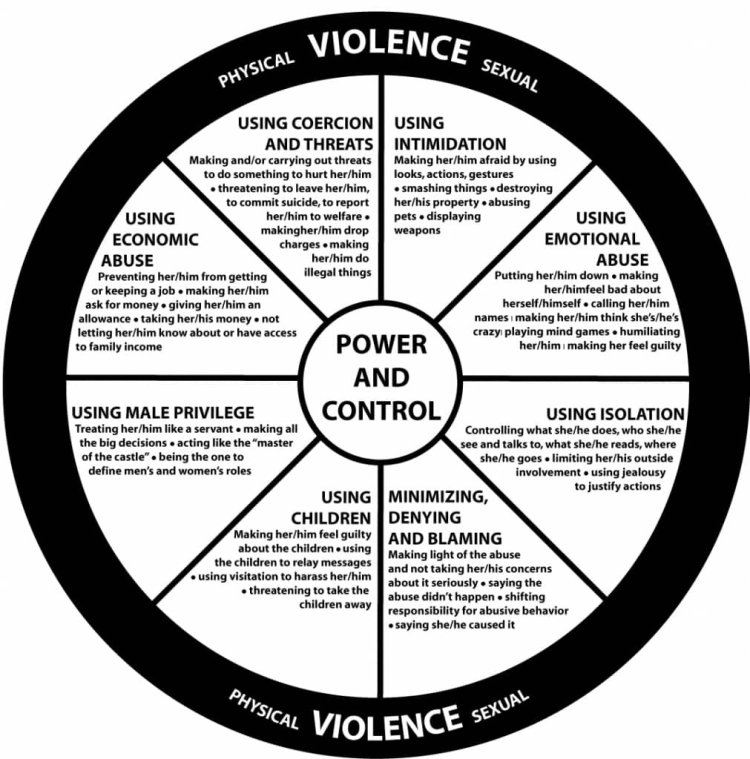 WHO CAN BE ABUSED?The big question is who can be abused? The truth of the matter is anybody can be abused , it is not left to a particular age or gender. It is what it is! AN ABUSE IS AN ABUSE!!!!!
Therefore an abused person or someone who was abused or is currently abused can either be a small child, a girl, a boy, a man, a woman, a worker etc. Any one can be abused. Dont forget this, anyone can be abused. A most recent case is the case of the Badore case of a man and a girl not up to 10 years. This man is about 48 years, I mean what are you pressing a 8 year old breast for????? I also heard of a man who was abused by his aunty when he was much younger and because of this he always fell in love with older women and this affected his marriage, even the first counsellor he met, he slept with her. An abuse is an abuse irrespective of the gender……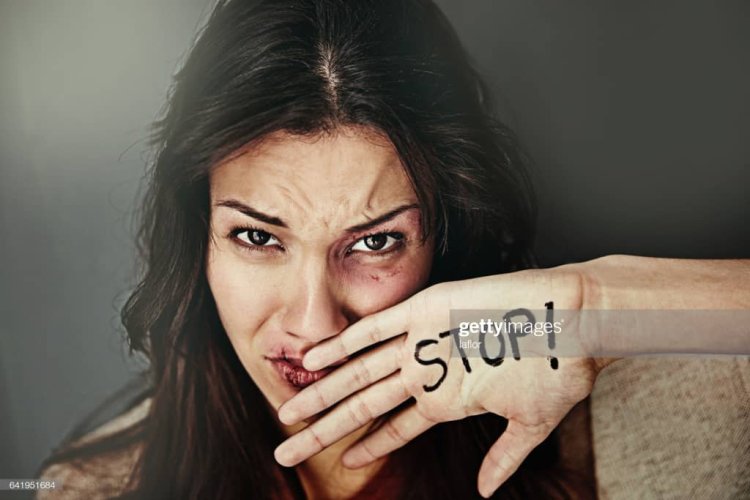
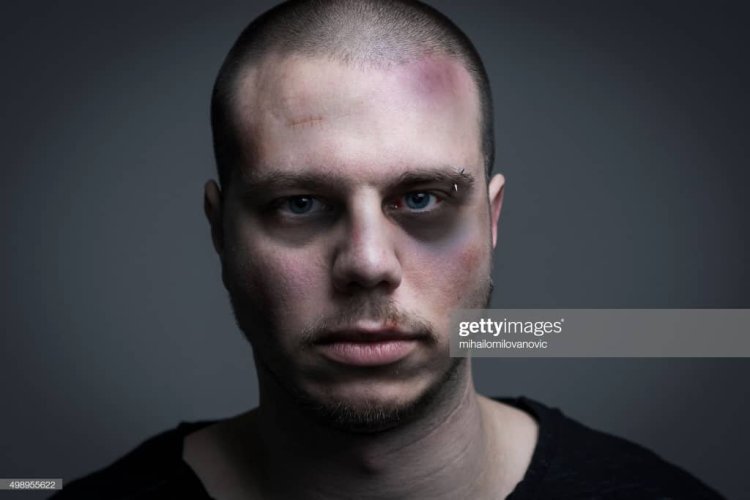 WHO MAY BE AN ABUSER?An abuser may be:A partner, child, teenagers, relative, or other household member;A friend or neighbour;A volunteer worker;A health or social worker;A boss at work can abuse his employees or those seeking employmentA member of staff in a care setting e.g. a residential or nursing home or supported living arrangement scheme;Another adult.Now you may ask how can a child be an abuser? A child can abuse other kids. Let’s pick a child of 6 year old could be playing with other children as a result of what he has learnt maybe from his parents or guardian or relatives who are racists or any form of abuse and exhibit those behaviour to other kids.WHERE CAN ABUSE TAKE PLACE?Another thing to note is where abuse can happen and to be frank it can happen anywhere but below is just a list of some places;At work,In hospitals,In residential or nursing homes, In day centres, In police stations, private places, public places,In vehicles, In your houses, on the road, IN CHURCHES, In anywhere you can think off. Nowhere is actually safe.WHAT ARE THE POSSIBLE EFFECTS OF ABUSE?The truth of the matter is the various types of abuses has numerous effects and they are very dangerous ones. However, I was able to outline a few and I hope you can give me more in the comment section as we learn from each other. Some of the long term effects of abuse of any form include: emotional difficulties such as anxiety, low self esteem, anger, sadness. Also Mental problems such as Post traumatic stress disorder, eating disorder, depression, self harm, suicidal thoughts.It is important to note through another statiatical research that Intimate Partner Violence (IPV) is common. According to research gathered, Data from CDC’s National Intimate Partner and Sexual Violence Survey (NISVS) indicate:About 1 in 4 women and nearly 1 in 10 men have experienced contact sexual violence, physical violence, and/or stalking by an intimate partner during their lifetime and reported some form of IPV-related impact.Over 43 million women and 38 million men experienced psychological aggression by an intimate partner in their lifetime.WHAT FACTORS CAN PLAY A ROLE TO THE PREVENTION OF ABUSE?.
The Social Care Institute for Excellence (SCIE) have identified eight factors in relation to dignity, which in turn promotes self-respect and each have a role in helping prevent abuse. These are:Choice and control;Communication;Eating and nutritional care;Pain management;Personal hygiene;Personal assistance;Privacy;Social inclusion.Also Education on abuse will go a long way, identifying kids with problematic psychological traits; it may not necessarily be kids per say but majorly kids.Truth of the matter is we do a lot of talking without taking action and this is one of the reasons why Nigeria is where it is today. Therefore, as Nigerians what are we doing to stop abuse especially against children? It is good to start, however, no matter how small, no matter how little, let make a move.THE BIG QUESTION IS THIS: As a Nigerian,What are you doing to stop child abuse against children?An epidemic is sweeping an ugly tide across the Nigeria; domestic violence and child abuse against our children.Howl large is the problem? Studies show that up to five million children in the Nigerian experience and/or witness domestic violence each year. Whether it’s watching an act of physical or sexual abuse, listening to threats or sounds of violence, or viewing the evidence of such abuse in a victim in the signs of bleeding, bruises, torn clothing, or broken items, the effects are damaging to a child, in a variety of ways. Children in our nation are suffering from an epidemic of child abuse from those who proclaim to love them the most. Indeed, witnessing domestic abuse can also be traumatic for a child.You may say it doesn’t happen where you live. You may believe that you do not know of any children who are victims of this type of violence and abuse. Make no mistake, domestic violence against children is happening all around you. Children in the very city you live in are victims of this horrific crime. Furthermore, the abusers and perpetrators may be your colleagues at work, members of your church, your neighbors, and even those who come to your annual family reunion. Children around you are falling victim to domestic violence and abuse. It is up to you to help bring an end to it. Here are 8 ways we can all help to stop domestic violence against children.
1. RECOGNITION OF THE SIGNS
The first step in helping to prevent domestic violence is to recognize the signs. To be sure, it may be difficult to recognize when a child is being abused, as the signs are not always visible to the eye. Indeed, domestic violence is not always physical. Other forms of domestic abuse include verbal abuse, emotional abuse, and economic abuse. Along with this, it is likely that the children suffering will not speak up on their behalf, as so many children suffer in silence.
2. PROVIDE RESOURCES
Whether it is providing support classes for parents, teaching them child care and parenting strategies, or helping with economic support and stability during times of difficulty, struggling parents and families need help and support. Violence against children can be reduced when parents and families are equipped with strategies, support, and skills when caring for children.3. SUPPORT CHILDREN
Often times, children are great imitators. They frequently model what they learn and experience from the adults in their lives. Time and time again, a child’s greatest role model is often the parent. For those children who have watched a parent inflict violence and abuse upon another, these children are more apt to repeat this later on in their adult life with their spouses or partners. Drugs and alcohol abuse later in their lives is also likely path. In order to break this future cycle of abuse, we need to offer therapy, counseling, support, and services to these children.4. RAISE AWARENESS
Knowledge is power, and awareness brings advocacy. Educate those around you about the realities of domestic abuse and violence. Whether it is where you work, where you exercise, where you practice your faith, or where your own circle of friends and family are, inform and educate them about this issue. When those around you become aware of the realities of domestic violence among children, they become advocates, as well.
5. ORGANIZE YOUR COMMUNITY
Faith based organizations, civic groups, schools, community leaders, and local and state legislatures can all come together to both fight child abuse. Contact these organizations and individuals and organize meetings with them, as well as with your local law enforcement. Create a child abuse prevention team in your area, and in your city.6. BE AN ADVOCATE
Perhaps the biggest impact one can make in preventing child abuse and domestic violence is to become an advocate of change. By contacting lawmakers, politicians, and publicity agents through means of emails, letters, phone calls, and other means of communication, one can bring attention to the needs of these children who are various forms of abuse. Along with this, these advocates of change can also post information in editorial letters, websites, public forums, and so forth. By lobbying for change, new laws can be introduced, and information can be brought forward to the general public.
7. DOCUMENT
If you suspect child abuse or domestic violence is happening to a child you know, document what you see. Time, date, location, and information is important, if you should have to file a report of some kind. Documentation should be done in a factual and non biased fashion, and not in an emotional manner. Just the facts, so to speak. Your documentation can go a long way in helping to protect a child.8. REPORT
If you know of an incident of child abuse or domestic violence, it needs to be reported, and it needs to be reported by you now. Not tomorrow; not next week. If a child is in danger, he needs to be rescued from it today. Sometimes trying to intervene or become involved in the situation, as it could lead to additional danger.The question may come as to who do we report to? The corruption level is a deep concern, however there are still organizations who still stand up for children in cases like this as well people like segalink on Twitter, you can call 112, Minister of youth and social development on 08183050639, Mirabel centre, Lasu teaching hospital, ikeja, stand to end rape, Lagos state domestic and sexual violence response teamWHAT CAN WE DO TO STOP ABUSE OF ADULTS?According to Section 42 of The Care Act 2014 of Safeguarding adults, it says and it quote ” Each local Authorities must make enquiries or causes others to do so, if it believes an adult is experiencing or is at risk of an abuse or neglect. An enquiry should establish whether any action needs to be taken to prevent or stop abuse or neglect, and if so, by whom”.Safeguarding means protecting peoples’ health, wellbeing and human rights, and enabling them to live free from harm, abuse and neglect. It is a key part of providing high-quality health and social care.
Those most in need of protection include:
*Children and young people*
*Adults*, such as those receiving care in their own home, people with physical, sensory and mental impairments, and those with learning disabilities.
Volunteering Organisation are the mainstay of ensuring that adults and children are protected from Abuse and as such they should be supported and aided in this task.
Volunteering Organisations are entitled to an assessment of their needs in their own right, this assessment should take into account as their ability to continue as a volunteer in a safe and sustainable way.
In a small number of situations it is volunteering organization who present a risk to the adult. In many cases it is understood that no deliberate harm is intended and the solution is to offer assistance.
It is important to ensure that volunteering organizations are made fully aware of the danger of Abuse, the warning signs and indicators, and how they can get advice and help when needed.
What advice and assistance the volunteering organization needs will depend on the risks faced by the adult as shown by the care assessment and other similar processes. For example, a young adult living in the community will face different risks to an older person attending a day centre.
A starting point for all volunteering organization will be to ensure that they are made aware of these Safeguarding Procedures and any provider organisation’s policy and procedures.In instances where an volunteering organization presents a risk to an adult, it is the responsibility of assessors of that organisation to do whatever is needed to reduce the risk to ensure the safety of the adult, including where appropriate making a referral under the procedure in The Safeguarding Process Section. Documenting discussion with the adult concerning their wishes is imperative.Finally, I want to appreciate you for reading this post and I hope it blessed you immensely. I look forward to discussions, critiques, addition, disagreements, subtraction. In all of these, I want to learn from you as well. See you can in the comment section!!!!!!!!!I remain Akinnola Abayomi aka the The Pilot
- Comment
- Reblog
-
Subscribe
Subscribed
Already have a WordPress.com account? Log in now.
 The Pilot
It’s a really great article and you’ve covered all the areas I can think of. I must point out that some of the biggest abusers in history have been the very people offering others protection from abusers. I will not mention names, but you know them. It makes the fight against abuse all the more difficult.
LikeLiked by 1 person
Thank you brother. I really appreciate. It is more difficult because of the high and mighty so to say
LikeLiked by 1 person